Understanding Evacuation Intentions Through the Theory of Planned Behavior
A recent study explores the application of the Theory of Planned Behavior (TPB) to predict intentions for evacuation planning among residents in hurricane-prone areas. The research highlights the importance of social norms, attitudes, and perceived behavioral control in shaping individuals' preparedness decisions, providing valuable insights for emergency management strategies.
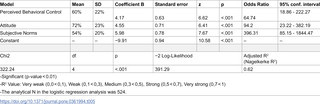
The Theory of Planned Behavior (TPB) has been widely recognized as a framework for predicting human behavior across various contexts, yet its application in disaster scenarios has been limited. A recent study aimed to fill this gap by examining how TPB can predict the intentions of individuals to prepare evacuation plans in hurricane-prone regions. Conducted through an online survey targeting adults in Florida, the research gathered 816 valid responses, focusing on key constructs of TPB: attitudes toward evacuation, subjective norms, and perceived behavioral control.
The findings revealed that all three constructs significantly influenced the intentions to prepare for evacuation. Notably, subjective norms emerged as the strongest predictor, emphasizing the role of social influence in shaping preparedness decisions. Individuals who perceived that their peers valued evacuation planning were more likely to intend to prepare. Furthermore, positive attitudes toward evacuation planning and a strong sense of control over the evacuation process also correlated with higher preparedness intentions.
More Humans Shop
Amazon shopping links. Paid link
The study utilized Spearman’s correlation and binary logistic regression to analyze the data, with the logistic regression model demonstrating a robust predictive power (Nagelkerke R2 = 0.62). This suggests that integrating social norms, attitudes, and perceived control into emergency management strategies could enhance the effectiveness of disaster preparedness initiatives.
Understanding the factors influencing evacuation behavior is crucial, especially as storms remain one of the most significant natural hazards. Many individuals fail to prepare for evacuation, often due to a complex interplay of psychological, social, and contextual factors rather than mere ignorance of the risks involved. The TPB provides a structured approach to examine these influences, linking beliefs and perceptions directly to behavioral intentions.
Exploring Behavioral Drivers in Hurricane Preparedness
In the context of hurricane preparedness, the study highlights the need for emergency management strategies that not only communicate risks but also address the behavioral drivers behind decision-making. By leveraging insights from the TPB, emergency planners can develop targeted communication strategies that resonate with community norms and enhance individuals' confidence in their ability to evacuate.
Enhancing Emergency Management Through Behavioral Insights
The research underscores the importance of understanding evacuation intentions through the lens of TPB, as it can lead to more effective, people-centered emergency management strategies. As communities continue to face increasing risks from severe storms, enhancing preparedness through evidence-based interventions becomes essential for saving lives and reducing injuries during disasters.
The implications of this study extend beyond theoretical understanding; they provide a pathway for improving how emergency management agencies communicate and prepare communities for potential evacuations. By focusing on social norms and individual attitudes, these agencies can foster a culture of preparedness that encourages proactive planning and response to imminent threats.