Colleges Enhance Support for Student Veterans' Transition to Campus Life
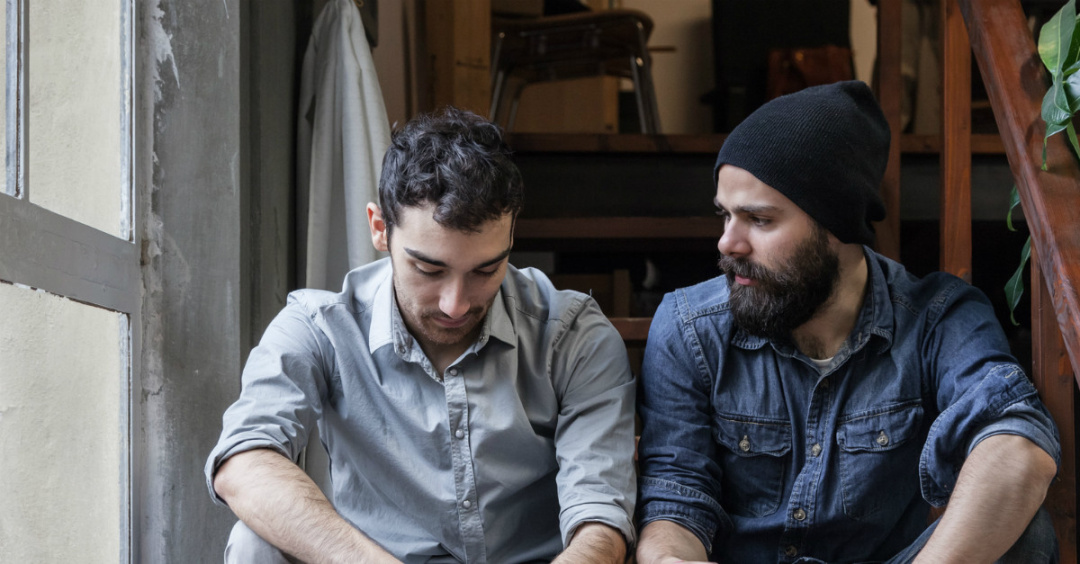
Colleges are implementing innovative programs to support student veterans as they transition from military service to academic life. Recent research highlights the importance of fostering a sense of belonging and personal growth among veterans, showing that they value their college experiences beyond financial returns. Institutions like William & Mary and the New York Film Academy are leading initiatives that encourage self-reflection and storytelling, helping veterans navigate their new environments and build community connections.
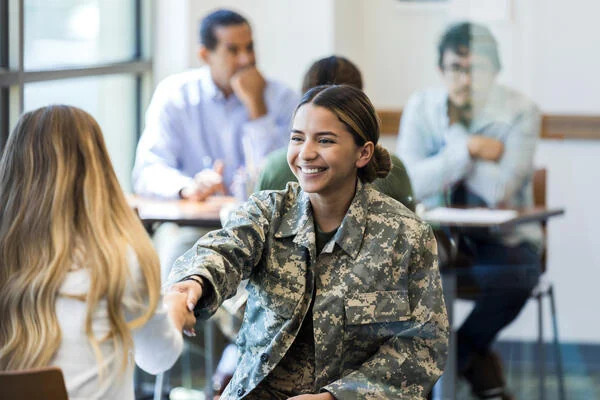
The transition from military service to college life presents unique challenges for student veterans, who must navigate academic expectations and forge new connections. Colleges and universities are increasingly recognizing the importance of supporting these individuals to ensure their success in higher education. Recent research offers insights into how veterans perceive their college experiences, emphasizing the significance of personal growth and community belonging in their educational journey.
A report from Qualtrics and Buro Happold reveals that veteran students reported the highest perceptions of value from their college experiences compared to other student populations surveyed. The findings indicate that 74.2 percent of veterans felt they derived high or exceptional value from finding purpose and experiencing personal growth, a dimension of college life that ranked higher than financial returns, which garnered only 66.2 percent. Overall, 66 percent of respondents rated their college experience positively, but veterans stood out with a 74.4 percent satisfaction rate. Additionally, 79.3 percent of veteran students expressed being somewhat or very satisfied with their college experience, compared to 84 percent of all respondents.
More Humans Shop
Amazon shopping links. Paid link
Elliot Felix, a partner at Buro Happold and co-author of the report, highlights that college serves as a critical period for students to discover their place and purpose. He notes that while students seek value in their education, they prefer not to measure it solely in monetary terms.
To facilitate this transition, institutions like William & Mary have developed specialized programs tailored to the needs of military-connected students. The business school’s Center for Military Transition recently piloted a pre-orientation program designed to help veterans identify their values and strengths. This initiative encourages students to reflect on their experiences before diving into career preparation, fostering a deeper understanding of their professional goals and sense of belonging on campus.
Jonathan Due, the executive director of the Center for Military Transition, explains that the program emphasizes reflection and connection, allowing students to build a foundation for their future endeavors. This approach has proven beneficial, as it helps veterans articulate their strengths and prepare for the challenges ahead.
Innovative Storytelling Programs for Veterans
Another innovative program is offered by the New York Film Academy’s Division of Veteran Services, which supports veterans in their transition to civilian life through storytelling. By helping students create plays and films based on their lived experiences, the academy provides a platform for veterans to process their service and explore their identities beyond the military. With approximately 3,000 veteran and military-dependent students served across its campuses, the academy participates in the Yellow Ribbon Program to assist eligible veterans with tuition costs.
Christopher Moore, the director of veteran services at the New York Film Academy, emphasizes the healing power of storytelling for veterans. He shares that recent workshops allowed students to produce films reflecting on their military experiences, facilitating personal growth and community connection.
The Importance of Community and Belonging
As colleges continue to innovate in their support for student veterans, these programs highlight the importance of fostering a sense of belonging and personal development. By addressing the unique challenges faced by veterans, institutions can create environments that not only promote academic success but also cultivate meaningful connections among students. As the landscape of higher education evolves, the commitment to supporting military-connected individuals remains crucial in ensuring their successful integration into campus life.
In conclusion, the efforts of colleges and universities to support student veterans underscore the significance of community and belonging in the educational experience. By implementing targeted programs that prioritize personal growth and connection, institutions can help veterans navigate their transition to college life, ultimately enriching the academic environment for all students. As these initiatives continue to develop, they serve as a model for fostering inclusivity and understanding within higher education.