Empathy and Personality Traits Shape Nursing Identity in China
A recent study explores the relationship between empathy, personality traits, and professional identity among Chinese nursing undergraduates. Conducted with 274 participants, the research highlights how positive perceptions of nurse-patient relationships and specific personality traits correlate with a stronger professional identity, suggesting implications for nursing education.
Professional identity is crucial in nursing education, shaping how future nurses view their responsibilities and impacting their ability to provide quality care. A recent study conducted among Chinese undergraduate nursing students examined how empathy and the Big Five personality traits relate to the development of professional identity. This research is particularly relevant as it highlights the psychological foundations of professional development in nursing education.
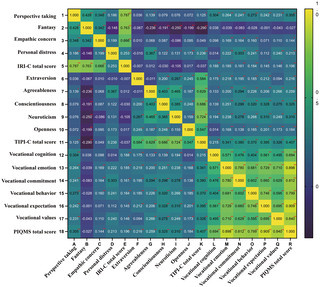
The study involved a cross-sectional observational design with 274 nursing undergraduates from Chongqing, China. Participants completed various questionnaires, including the Interpersonal Reactivity Index, the Ten-Item Personality Inventory, and the Professional Identity Questionnaire for Medical Students. The analysis revealed significant correlations between professional identity and both empathy and personality traits, indicating that these factors play a vital role in shaping how nursing students perceive their professional roles.
More Humans Shop
Amazon shopping links. Paid link
Results showed that professional identity was positively associated with overall empathy and specific personality traits. Notably, positive perceptions of nurse-patient relationships, perspective taking, conscientiousness, and extraversion were linked to higher professional identity scores. The study found that these traits explained 28% of the variance in professional identity, underscoring their importance in nursing education.
The findings suggest that empathy, which encompasses both cognitive and emotional components, is essential for developing a strong professional identity. Higher empathy levels among nursing students correlate with better clinical competence and improved patient outcomes. This aligns with previous research indicating that empathy is fundamental to the nursing profession, as it enables practitioners to understand and respond to patients' needs effectively.
The Role of Personality in Nursing Development
Moreover, the study emphasizes the relevance of personality traits in professional development. The Big Five personality model, which includes agreeableness, conscientiousness, extraversion, neuroticism, and openness, has been shown to influence various aspects of healthcare education and practice. Understanding how these traits interact with empathy can provide insights into enhancing nursing education.
Implications for Nursing Education
Integrating empathy-focused training and personality-informed educational strategies into nursing curricula could strengthen students' professional identity. By fostering these traits, educational institutions can better prepare future nurses for the challenges of their profession, ultimately leading to improved patient care and outcomes. This study serves as a call to action for nursing educators to consider the psychological aspects of professional identity development, ensuring that future nurses are equipped not only with clinical skills but also with the emotional intelligence necessary for effective patient care.
In conclusion, the research highlights the significant role that empathy and personality traits play in shaping the professional identity of nursing students. As the nursing profession continues to evolve, understanding these factors will be essential in developing comprehensive educational strategies that support the growth of competent and compassionate healthcare professionals.