Empathy's Role in Academic Success Among Low-Achieving Adolescents
A recent study investigates the connection between empathy and academic performance in adolescents with low achievement. It reveals that cognitive empathy is significantly lower in these students, which may contribute to maladaptive behaviors in social interactions and hinder their academic success. The research emphasizes the importance of fostering emotional intelligence in educational settings to improve both social relationships and academic outcomes.
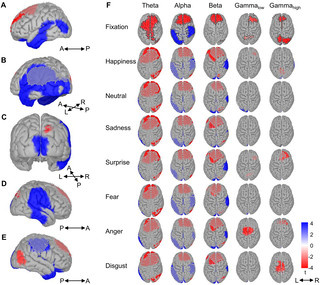
A recent study published in PLOS One examines the intricate relationship between empathy and academic performance among adolescents who struggle academically. The research highlights that students with low academic achievement often exhibit maladaptive behaviors in their interactions with peers and teachers, indicating a need for targeted interventions. Central to this study is the role of empathy, particularly cognitive empathy, which has been identified as a key factor influencing these students' social dynamics and academic success.
The study involved a comparative analysis of 40 adolescents aged 14 to 17, divided into two groups: one comprised of students with low academic performance enrolled in a support program, and a control group with adequate academic achievement. Utilizing a multimethod approach that included the Basic Empathy Scale, a facial emotion recognition test, and electroencephalographic (EEG) recordings, the researchers aimed to uncover the underlying mechanisms linking empathy to academic outcomes.
More Humans Shop
Amazon shopping links. Paid link
Findings revealed that the low-achieving group exhibited significantly lower cognitive empathy compared to their peers. Although the difference in facial emotion recognition accuracy between the groups was not statistically significant, EEG analyses indicated exploratory differences in brain activity during emotional processing tasks. These findings suggest that while behavioral performance may appear similar, the neural responses to emotional stimuli can vary, offering deeper insights into socioemotional functioning in adolescents.
The Importance of Empathy in Enhancing Academic Performance
The implications of these results are profound, as they underscore the necessity for educational strategies that enhance emotional intelligence among students facing academic challenges. Empathy, as a core component of emotional intelligence, enables individuals to understand and respond to the emotions of others, fostering healthier social interactions and potentially improving academic outcomes. Previous research has shown that empathetic individuals tend to occupy central positions in social networks, which can facilitate academic support and cooperation.
Empathy as a Catalyst for Educational Success
Moreover, the study suggests that developing emotional intelligence in low-achieving students could mitigate some of the socioemotional difficulties they face. By focusing on empathy and its associated skills, educators may help these students build stronger relationships with peers and teachers, ultimately leading to improved academic performance. This approach aligns with existing literature that highlights the positive correlation between empathy and academic success, emphasizing the need for a holistic educational framework that addresses both cognitive and emotional development.
In conclusion, this research contributes to a growing body of evidence that links empathy to academic achievement, particularly in adolescents with low performance. The findings advocate for a more nuanced understanding of how socioemotional factors influence educational outcomes, calling for further exploration of empathy's role in academic settings. As educational institutions strive to support all students, fostering empathy could be a critical component of effective teaching practices, particularly for those struggling to succeed academically.