Youth Loneliness and Smartphone Dependency: A Growing Concern
A recent study highlights the alarming rise in youth loneliness and its connection to smartphone dependency. The 2023 Canadian Health Survey revealed that the percentage of adolescents reporting poor mental health has doubled since 2019, exacerbated by increased screen time during the COVID-19 pandemic. Experts emphasize the need for therapeutic interventions to help young people navigate their reliance on technology and rebuild meaningful social connections.
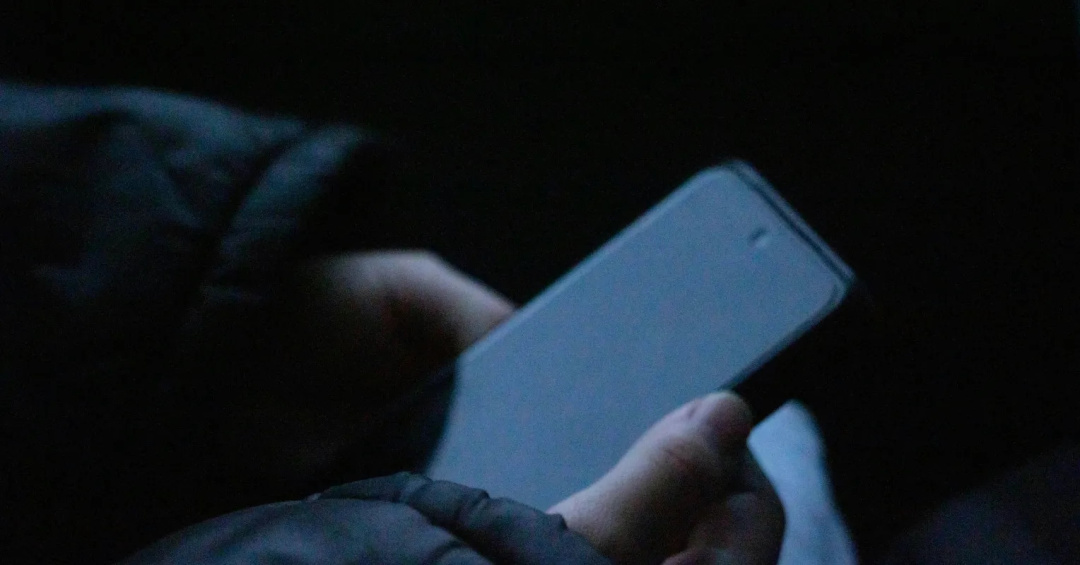
According to the 2023 Canadian Health Survey on Children and Youth, the rate of adolescents reporting poor mental health has more than doubled between 2019 and 2023. Initially, about 12 percent of youth aged 12 to 17 rated their mental health as "fair" or "poor," a figure that surged to 26 percent by 2023. This dramatic increase coincides with the onset of the COVID-19 pandemic, during which screen time rose significantly across all age groups. A 2024 study found that students who turned to social media to cope with pandemic-related stress experienced heightened levels of anxiety and depression, a trend particularly pronounced among those feeling lonelier.
These findings are echoed in a 2025 study from China, which identified loneliness as a factor intensifying the relationship between social anxiety and smartphone overdependence among college students. A recent review further supports this, suggesting a strong association between feelings of isolation and an over-reliance on smartphones.
More Humans Shop
Amazon shopping links. Paid link
Jake Ernst, a social worker and psychotherapist based in Toronto, explains that chronic loneliness can lead to various mental health issues. He notes, "For young people, whose brains are still developing the scaffolding required for social connection, isolation interrupts the development of essential skills like executive functioning, emotional regulation, and conflict repair." Ernst argues that smartphone dependency exacerbates these challenges. He describes it as a paradox: while technology can create an illusion of connection, it often displaces meaningful, real-world interactions. Many young people now find themselves prioritizing online attention and comparison over genuine connections, which ultimately weakens their ability to navigate real-world social challenges.
Another concern in the discourse surrounding youth loneliness is the rise of artificial intelligence. There is a growing phenomenon of young individuals forming emotional and romantic connections with AI. This trend raises alarms, particularly for those already grappling with mental health issues. A Stanford study conducted in 2025 revealed that popular chatbots, such as character.ai and Replika, can elicit inappropriate dialogue on sensitive topics, including self-harm and drug use. This poses a significant risk for young users, who are more likely to form attachments to these AI companions, despite knowing they are not real.
The Role of Claims
Ernst claims that AI has intensified smartphone dependency by personalizing it. AI-driven chatbots and companion apps simulate friendship and intimacy but lack the reciprocity found in real relationships. He emphasizes that therapeutic interventions can effectively address smartphone dependency among youth, provided that both the social health deficit and digital over-reliance are tackled. Therapy can offer opportunities for young people to develop skills for co-regulating emotions and processing them in real-time, while also allowing them to rediscover the positive aspects of life.
It can be easy for young individuals to self-isolate and fall into unhealthy relationships with technology. However, with appropriate interventions and support from in-person relationships, those struggling with smartphone dependency can rebuild their sense of connection, enhance their social skills, and reshape their perceptions of both the digital and real worlds.
Insights from Experts on Youth and Technology
Dante Lewis-Chan is a research student at York University.
Robert T. Muller, Ph.D., is a professor of psychology at York University and the author of the book Trauma and the Avoidant Client.