Wartime Letters: The Love Story of Nathan Hoffman and Evelyn Giniger
Nathan Hoffman and Evelyn Giniger's relationship blossomed during World War II through their extensive correspondence, which included over 2,000 letters. Their story illustrates the vital role of communication in sustaining love during challenging times. After being separated for 16 months, they married and later donated their letters to preserve their experiences, highlighting the emotional connections formed through written words.
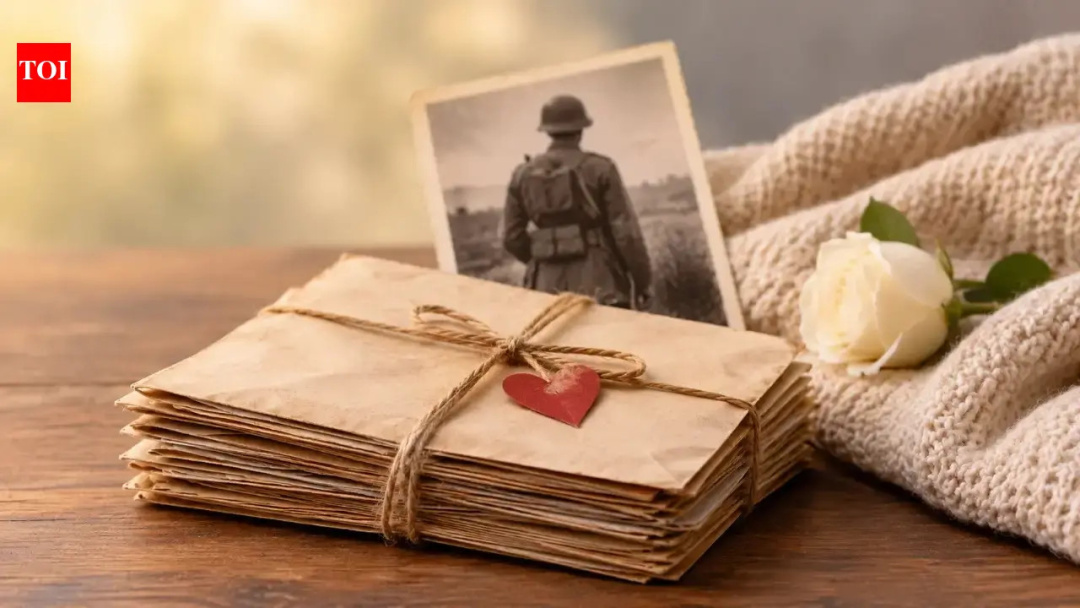
Nathan Hoffman and Evelyn Giniger, who later became Evelyn Hoffman, had only gone on five dates in New York City before Nathan was deployed during World War II. Despite the brevity of their courtship, their relationship deepened through daily written correspondence, a lifeline during their separation. Nathan, serving as an army clerk, meticulously preserved all of Evelyn's letters, which would later total over 2,000. This remarkable collection reflects not only their love story but also the broader significance of communication during wartime.
Evelyn waited for Nathan in New York for 16 months, and when he returned, they married soon after. Their marriage lasted 59 years until Nathan's passing in 2005 and Evelyn's in 2011. In 1999, while still married, they entrusted their letters to historian Andrew Carroll, who recognized their historical value. Their correspondence was featured in a televised millennium celebration, where they read excerpts from their letters, sharing their heartfelt story of love that endured through separation and conflict.
More Humans Shop
Amazon shopping links. Paid link
The Hoffmans' letters are part of a larger historical narrative, as the National WWII Museum notes that over 1 billion V-mail letters were processed between 1942 and 1945. This massive flow of wartime mail underscores the importance of maintaining connections with loved ones, which helped soldiers cope with the loneliness of being away from home. Research has shown that emotional communication, even through instant messaging, can enhance relationship satisfaction and stability, reinforcing the idea that heartfelt exchanges can strengthen bonds.
Preserving Personal Narratives of War
The collection of letters donated by the Hoffmans is now housed at Chapman University, where it is part of the Center for American War Letters. This center aims to preserve personal accounts from various conflicts, providing insights into the human experience during wartime. The letters serve as a reminder of the emotional struggles faced by soldiers and their families, capturing feelings of loneliness, fear, and love.
The Lasting Impact of Wartime Correspondence
Through their correspondence, Nathan and Evelyn's story exemplifies how written communication can bridge distances and foster intimacy, even in the most challenging circumstances. Their legacy continues to inspire others to appreciate the power of words in nurturing relationships, emphasizing that love can flourish through letters, regardless of the obstacles faced.
The Hoffmans' experience highlights the crucial role that communication plays in relationships, particularly during times of separation. Their letters not only document their personal journey but also reflect a broader historical context where many couples relied on written words to maintain their connections. As the Center for American War Letters continues to archive these personal stories, it ensures that the emotional depth of such experiences is not lost to time, allowing future generations to learn about love and resilience through the lens of history.