Alcohol Use and Mental Health During the COVID-19 Pandemic
A recent study investigates the relationship between alcohol consumption and mental health during the COVID-19 pandemic. It highlights how disruptions to social connections, particularly loneliness, influenced drinking behaviors across different age groups in the UK, US, and Australia.
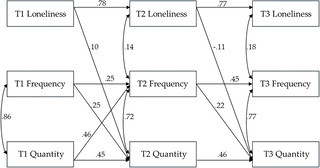
The COVID-19 pandemic has significantly impacted social connections and lifestyles, leading to increased public health restrictions aimed at curbing disease transmission. Despite these challenges, many countries continued to sell alcohol as an essential commodity. A study conducted as part of the COVID-19 Risks Across the Lifespan (CORAL) project sought to explore the changes in alcohol use and its associations with mental health during this unprecedented time.
Data from the CORAL study included 2,369 participants aged between 11 and 100 years, primarily from the UK, US, and Australia. Researchers assessed pre-pandemic alcohol use and changes in consumption frequency, quantity, and motivations for drinking during the pandemic. They also examined levels of perceived stress, loneliness, and symptoms of depression and anxiety.
More Humans Shop
Amazon shopping links. Paid link
Findings revealed that while overall drinking frequency and quantity remained stable, certain age groups experienced significant changes. Young individuals (ages 11 to 20) and mid-aged individuals (ages 50 to 70) were more likely to report increased alcohol consumption. The motivations for drinking, such as reducing stress or boredom, also remained consistent, although variations were noted based on age and country-specific policies regarding alcohol access.
The Role of Loneliness in Drinking Trends
Loneliness emerged as a critical factor influencing drinking patterns, with the study indicating that feelings of isolation predicted increased alcohol use. This highlights the importance of addressing loneliness as a public health concern, particularly in the context of alcohol misuse. The study underscores the heterogeneous patterns of alcohol use during the pandemic, suggesting that responses to social restrictions and mental health challenges varied significantly across different demographics.
Navigating Alcohol Use and Loneliness
As the pandemic continues to evolve, understanding the relationship between alcohol consumption and mental health will be essential for developing effective interventions and policies. The findings from this study can inform future strategies aimed at improving public health outcomes, particularly in addressing the mental health implications of social isolation and alcohol use.
The research also emphasizes the need for targeted approaches to mitigate the effects of loneliness on alcohol consumption. By fostering social connections and providing support for mental health, communities can potentially reduce the risk of alcohol misuse during challenging times. As the world adapts to the ongoing impacts of the pandemic, continued exploration of these dynamics will be vital for promoting healthier behaviors and enhancing overall well-being.